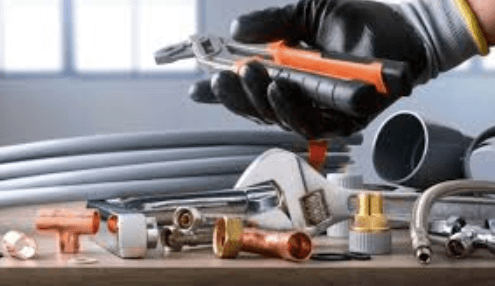
Selecting plumbing materials requires balancing performance, durability, and code compliance. Materials must be evaluated for system compatibility, installation constraints, and lifecycle costs, with attention to failure modes and warranty terms. Copper offers reliability and antimicrobial benefits; PEX provides flexible distribution; PVC handles corrosion-resistant drainage; CPVC supports higher temperatures. Verification against local codes, standards, and QA practices ensures traceability. The framework guides evidenced-based decisions, but uncertainty remains—prompting further investigation into site-specific requirements and long-term sustainability.
What Matters Most When Choosing Plumbing Materials
Selecting plumbing materials hinges on a balance of performance, longevity, and compliance with relevant standards. The analysis concentrates on material behavior, system compatibility, and lifecycle costs, incorporating durability timelines and anticipated failure modes. Installation challenges are assessed through manufacturability, joint integrity, and field constraints. Evidence-based criteria guide selection, ensuring sustainable performance while preserving user autonomy within code-compliant, adaptable plumbing designs.
Compare Copper, PEX, PVC, and CPVC: Pros, Cons, and Best Uses
Copper, PEX, PVC, and CPVC each offer distinct performance profiles, suited to specific plumbing applications and system conditions; understanding their material properties, compatibility with fluids, pressure and temperature limits, and installation considerations informs appropriate material selection.
Copper durability and PEX flexibility influence suitability, with copperfavored for reliability and antimicrobial properties, PEX for cold-to-warm distribution, and PVC/CPVC for cost-effective, inert corrosion resistance in drainage and high-temperature segments. Standards-directed, utility-focused guidance supports informed choices.
How to Verify Quality and Meet Local Codes and Warranties
When selecting plumbing materials, practitioners must move beyond basic performance to verify quality, code compliance, and warranty terms. The discussion emphasizes verification processes that confirm material integrity, traceability, and documented conformity; warranty requirements that specify coverage scope and durations; quality assurance practices that monitor manufacturing and testing; and code compliance ensuring local regulatory alignment through standard-based assessment.
See also: Crypto Bans: What You Should Know
A Practical, Step-by-Step Material Selection Framework
practical considerations, material trade offs inform objective, evidence-based, standards-driven decisions.
Conclusion
In choosing plumbing materials, a disciplined, standards-driven approach beats whimsy every time. Copper’s reliability and antimicrobial edge, PEX’s flexible distribution, PVC’s corrosion resistance, and CPVC’s higher-temp tolerance each serve distinct needs, anchored by codes, warranties, and QA practices. The practical framework balances performance, lifecycle costs, and failure modes, with traceability and environmental rules guiding selection. Satire aside, sound decisions withstand calls for expediency, ensuring durable, adaptable, and autonomous systems that perform under real-world stresses and provide documented assurance.